Obama gets a lot of blame for the economy – which is the main argument/premise. None the less. Bush was in office when the stock market crashed and the GOP controlled both the senate and house the majority of the time leading up to the crash. It wasn’t just the US that went through crisis – every nation did no matter what type of government they ran – communist, socialist, free market (many eastern EU states).
Both parties voted for the bail outs. And fortunately we are improving.
My thinking is I’m not convinced a government or anyone for that matter really has that much control over any of it.. Other wise why did it happen in the first place?
Obama is not socialist. Go to Germany, Greece, Denmark or the Richest country on earth – Norway, if you want to see what that really is..It can be a good and bad thing. I run a US company that deals a lot in Europe and have done a decent amount of business. I must state that I do not feel the “crushing burden of socialism” as I’ve heard from those in the USA – and who probably have less complex legal/tax issues that are inherently involved with doing international business. If you want to see what real problems are, come to Belgium and try and start a company dealing with their BS admin procedures ( something I get to avoid because I have a US company).
Why every Romney supporter feels Obama is the worst person in the world:
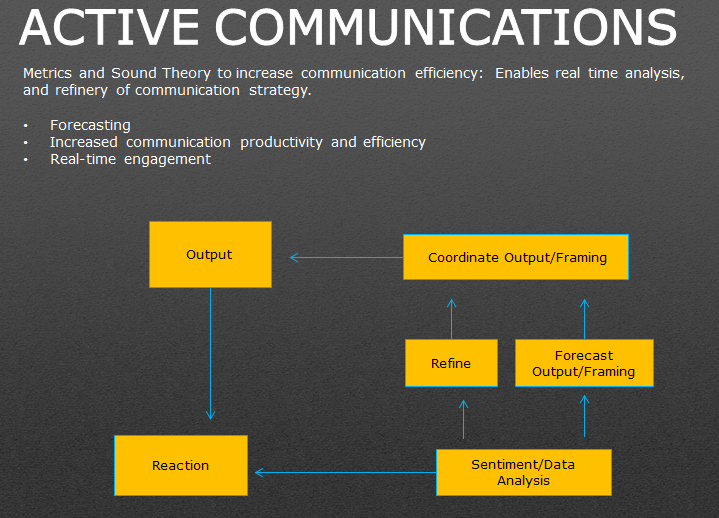
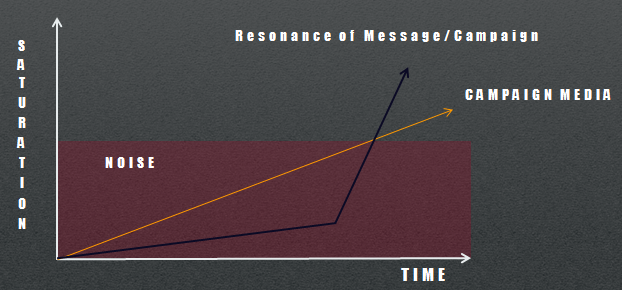
In the last four years communications have increased ten fold and created a perception of us and them. This in turn physically effects our brains frame – which is directly how you view the world and political positions. For example you think you are 100% right and the issue is 100% clear, but a democrat feels just as correct about believing the exact opposite.
While you feel divided, different and apart from a liberal or conservative, the fact is you agree on 95% of things – you can both love dogs, like sports, think people should not kill or steal from each other… Now a Political strategist job is to make you think the 5% of things you don’t agree on are the biggest fucking problems in the world.
In actuality we have never been more aligned politically, while feeling further apart. This polarization is both good and bad. And a heavily debated topic among political scientist. For one it get’s people to understand complicated issues (good). Two it brings people to the polls (good). The big “what if”, is grid lock and the tipping point between facts and perceptions. At some point policy does have consequence – both good and bad, and some are better than others.
Romney or Obama. Not much would have changed. But as I say, who wins deserves it. In this case the Obama campaign was smarter and better than Romney’s. And that’s exactly who I want to lead the country.
Any how historically the next election should go to a Republican.
– CT


 Machine Lens